

American NBCNewsAccording to the channel, the Pentagon has prepared an updated list of additional military targets for possible new operations against Iran.
In the news, the US President Donald TrumpIt was stated that the possibility of restarting large-scale military operations against Iran was seriously evaluated in Washington.
However, American military officials state that the next phase will be much more difficult and complex compared to the first wave of attacks.
‘THEY CARRIED THE TARGETS UNDERGROUND…’
According to American sources, Iran spends most of its remaining military capacity:
- sheltered underground facilities,
- to mobile platforms
- and shifted to fast-deploying systems.
In the news, Iran especially; camouflage, mobility and ‘dispersed deployment’It was reported that he focused on strategies.
On Washington’s target list Shahab, register, And HurremsehrIt was stated that there are mobile ballistic missile platforms.
- Moreover; Fordo nuclear facility,
- mobile air defense systems,
- UAV operation centers,
- Naval elements around Bandar Abbas and Hormuz are also shown among the priority targets.
According to the American press, Iran’s fast attack boats and anti-ship missile platforms are also included in the new operation plans.
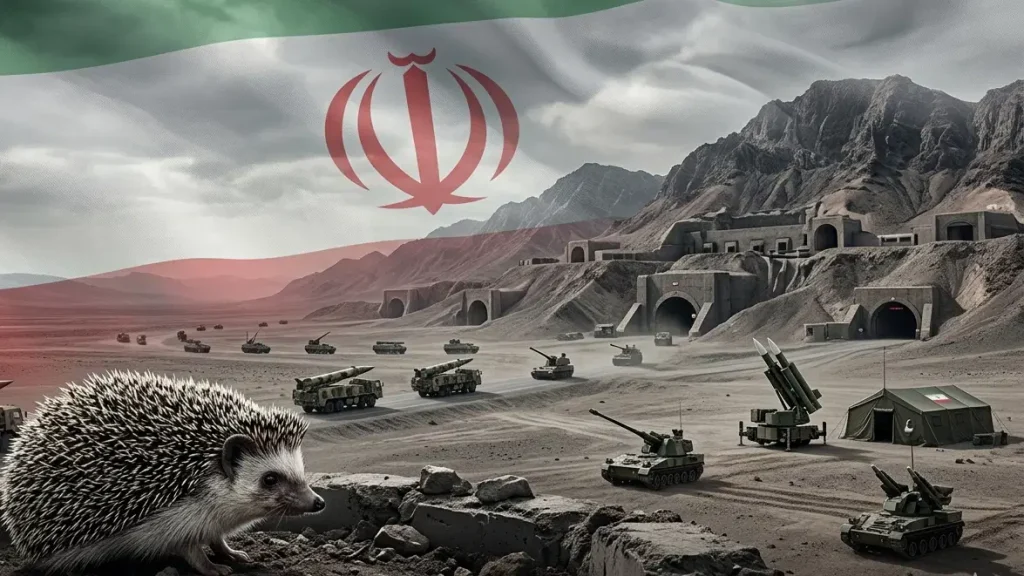
‘Hedgehog STRATEGY’
American experts say that Iran has been ‘hedgehog strategy’He thinks that he has switched to the defense doctrine as defined.
- This strategy; reduce the use of fixed bases,
- keeping military elements constantly on the move,
- It aims to hide in mountainous areas and city centers.
- Thus, the aim is to reduce the effectiveness of American air strikes.
THERE ARE TWO SCENARIOS ON THE TABLE
According to American assessments, Iran transformed its military capacity into a more flexible structure after more than 5 thousand military points were targeted in the first wave of attacks. Washington, Tehran It maintains its deterrent capacity to threaten maritime traffic in the Strait of Hormuz.he thinks Approximately one-fifth of the world’s oil supply passes through the Strait of Hormuz.
According to the news, two different scenarios are currently being evaluated simultaneously within the Trump administration:
- new military operations,
- diplomatic ceasefire and negotiation process.
It is stated that indirect diplomatic contacts continue, especially to re-secure maritime traffic in the Strait of Hormuz.
Therefore, it is evaluated that whether Washington will return to large-scale attacks will depend on the delicate balance between military pressure, political risk and diplomatic cost.
